A Voice Clone Needs More Than Recording Consent
A reusable voice model creates risks that deleting the original recording cannot fix. The approval ticket must cover model access, generated speech, revocation, and reuse.
August 9, 2026 · 8 min read

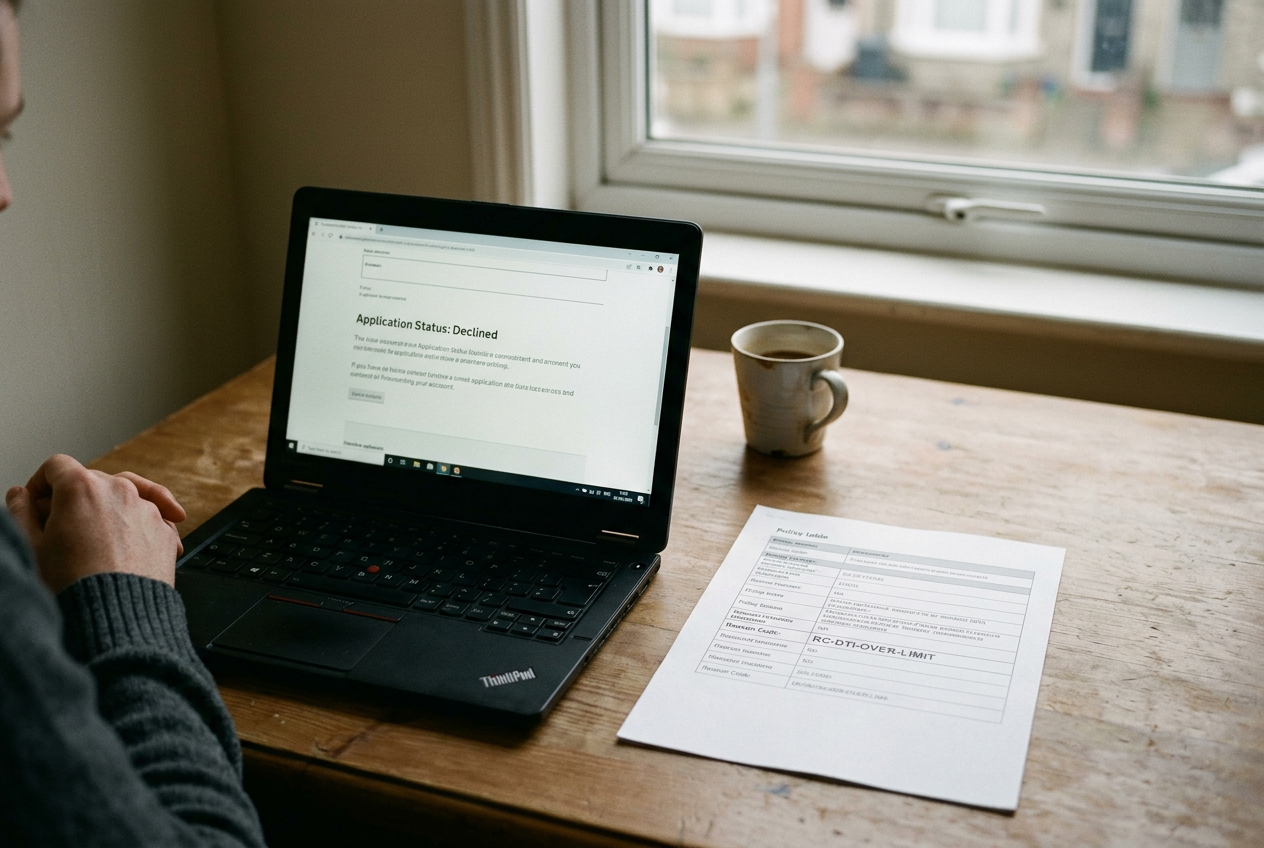
Consider a routine customer-service request. A retailer wants one employee to record a return-policy script, then asks a vendor to build a synthetic version of that employee’s voice so managers can generate new announcements without scheduling another recording session. The first output is harmless enough: a revised hold message after the return window changes.
The approval ticket may describe this as permission to “record and use” the employee’s voice. That wording fits an audio file with a known script and destination. It does not describe a system that can produce sentences the employee never spoke, at any time, for any audience allowed by its access controls.
That gap changes the governance job. The company must identify what the vendor creates from the recording, where each artifact goes, who can generate speech, which uses remain authorized, and whether revocation can disable the capability rather than merely hide the source file.
The recording is only the first asset
A conventional recording has relatively visible boundaries. The speaker says particular words, an editor can alter the file, and a publisher places the result in a commercial, phone tree, or video. Copies can still escape, but reviewers can listen to the approved performance before release.
A voice-cloning system turns that recording into one or more reusable technical artifacts. It may calculate a speaker embedding, a compact numerical representation of vocal characteristics, and provide that embedding to a speech-synthesis model. Another design may fine-tune model parameters using the speaker’s samples. Some vendors isolate each customer voice; others rely on shared infrastructure while keeping a separate voice profile or adapter.
Those architectures are not interchangeable from a deletion perspective. Removing an isolated profile may disable future generation quickly, although backups and cached copies still need attention. If a speaker’s data changed shared model weights, removing that person’s contribution can require retraining or another machine-unlearning method whose effectiveness is difficult to verify. A vendor that answers “we delete recordings” has therefore answered only the easiest part of the approval ticket.
Generated audio creates another branch of the record. The hold message may sit in the retailer’s phone platform, an editor’s project folder, the vendor’s generation history, internal chat, and backups controlled by several processors. Revoking model access will not recall those files, and a recording already heard by customers cannot be made unheard.
This is why the asset register should separate at least four classes: source recordings, derived voice profiles or model components, generation prompts and logs, and synthetic outputs. The controls differ even when one vendor dashboard presents everything under a single voice name.
Consent must name the capability
Consent to record is not automatically consent to synthesize. A useful approval states that the system can generate new speech in the person’s vocal identity, including words the person did not record, and it names the permitted purpose in operational terms. “Business use” is too broad. “English-language return and shipping notices for the customer-service phone line” gives an approver something testable.
The request should also identify the operator. If supervisors can type arbitrary text into a generation box, the system permits more than production of approved service notices. A constrained template workflow, where communications staff approve text before the vendor renders it, costs time and reduces spontaneity, but it prevents a compromised account or reckless employee from making the clone read an unrelated statement.
Biometric law adds jurisdiction-specific questions without producing one universal answer. Illinois’ Biometric Information Privacy Act expressly includes a “voiceprint” in its definition of biometric identifier and requires covered private entities possessing biometric identifiers or information to maintain “a publicly available written policy, establishing a retention schedule and guidelines for permanently destroying” them. Whether a particular synthesis artifact is legally a voiceprint, and whether an exemption or other provision applies, depends on the system and context; the engineering team should not settle that issue by renaming the artifact a voice profile.
Under the EU General Data Protection Regulation, biometric data receives special-category treatment when processed “for the purpose of uniquely identifying a natural person.” A voice clone used for synthesis is not necessarily being used to authenticate or identify its speaker, so the classification requires a purpose-specific analysis. Ordinary personal-data duties may still apply. If consent supplies the legal basis, the GDPR states: “It shall be as easy to withdraw as to give consent.
” That is an enacted requirement, not a proposed best practice, though its application to a particular deployment needs legal assessment.
The approval record should preserve the notice shown to the speaker, the version accepted, the authorized uses, and the route for withdrawal. A checkbox without that receipt is weak evidence once the project owner changes jobs or the vendor expands its product.
Storage means more than a retention period
Return to the retailer’s approval ticket. A field asking the vendor to retain “voice data” for one year sounds specific, yet it leaves open whether the period covers the original session, the embedding, a fine-tuned adapter, generation logs, finished announcements, and disaster-recovery copies.
The better artifact is a data map that follows the recording through the system. The employee uploads audio to a portal. The vendor may transcribe and clean it, create a voice profile, run automated quality or safety checks, and retain generated previews. The retailer downloads an approved message and imports it into a phone platform.
Each transition creates a controller, processor, repository, or access path that may have its own deletion behavior.
Backups deserve a concrete answer rather than a promise of eventual removal. A vendor may be unable to erase one profile immediately from immutable backups, meaning backups that cannot be edited during their retention window. That can be a defensible security design if the deleted profile cannot return to production, restoration procedures reapply deletion requests, and the contract names the maximum backup period. “Deleted according to policy” reveals none of those controls.
Training reuse is a separate storage decision. A vendor might retain customer recordings or ratings to improve pronunciation, abuse detection, or a general speech model. Those purposes should not be smuggled into consent for producing the retailer’s phone messages. If optional training improves the service enough to justify the exposure, approve it separately and document whether the vendor can later remove the contribution.
If the answer is uncertain, the retailer should decline that reuse.
Revocation needs a test, not a button
The hardest moment arrives after the employee withdraws permission, leaves the company, or disputes a new use. The retailer can remove the voice from its internal menu, but that interface change does not prove that vendor credentials stopped working or that existing operators lost access.
A revocation runbook should name the person authorized to trigger it and the systems that person must contact. It should disable new synthesis first, because continued generation creates fresh outputs while deletion work proceeds. The team then removes production profiles, queues deletion across vendor systems, handles retained source material, and records which finished files must be withdrawn under the agreement. Backups can expire on their documented cycle if restoration cannot silently reactivate the voice.
Evidence matters. The voice-clone approval ticket should close with timestamps from the retailer, vendor confirmation identifying the deleted artifact categories, and a test showing that an old project or application programming interface credential can no longer generate speech in that voice. An API, or application programming interface, lets one system request generation from another without using the vendor’s dashboard; disabling the visible project while leaving an API key active is an incomplete revocation.
No deletion workflow can guarantee that every previously exported audio file has disappeared. Governance should say so plainly. The contract can require downstream deletion and prohibit redistribution, while watermarking or provenance metadata may help investigators trace some outputs, but copied audio can lose metadata through rerecording or conversion. Revocation mainly stops authorized future generation and removes controlled copies.
It cannot reverse publication.
Reuse should require a new decision
The original return-policy use may later look like an easy shortcut for training videos, social posts, advertising, or another language. Technically, the same clone may support those requests with little additional setup. That low marginal cost is exactly why purpose boundaries need enforcement outside the project owner’s memory.
A practical control binds each approved voice to allowed channels, languages, text reviewers, and an expiration or review date. Free-form generation can remain disabled unless a documented exception requires it. Logs should capture the operator, submitted text, time, output identifier, and destination, while access reviews remove people who no longer produce the approved material.
Before the retailer approves its customer-service clone, the ticket should force clear answers: which derived artifacts the vendor creates; whether customer material trains shared models; who can enter text; how outputs are labeled and logged; how long every artifact class remains; what revocation disables immediately; and what evidence the vendor returns after deletion. An answer such as “industry-standard safeguards” should send the ticket back.
The fallback is ordinary production. Keep the original recording, schedule the employee for revisions, or hire a voice performer under terms written for synthetic use. That route is slower when copy changes often, but for a short-lived campaign or a script that rarely changes, building a persistent cloning capability may not be worth the additional access control, vendor review, and deletion work.
Questions people ask
Is a voice clone always biometric data?
Not under every law or for every purpose. Illinois BIPA names voiceprints, while the GDPR’s special biometric category turns partly on processing for unique identification; a synthesis profile may still count as personal data even when it is not used to authenticate anyone. Classification should follow the artifact and actual use, not the vendor’s label.
Does deleting the original recording delete the voice clone?
Usually not by itself. A vendor may retain an embedding, adapter, model contribution, generation history, cached preview, or backup after removing the source audio. Ask for deletion by artifact class and test whether existing dashboard users and API credentials can still generate that voice.
Can someone withdraw consent after synthetic audio is published?
Withdrawal can stop authorized future generation and trigger deletion from controlled systems, subject to the applicable agreement and law. It cannot make audiences forget a published message or guarantee recovery of every exported copy, so the initial approval must address output retention and downstream distribution.
What is the safest alternative for occasional script changes?
Keep a conventional recording workflow and book a new session when the copy changes. It adds scheduling and production time, but avoids maintaining a reusable generator that can make the speaker say unreviewed text long after the original session.
One story a day
The story of the day, in your inbox
One real story about AI each morning — no hype, no alarm, just company for the road.